Understanding Window Tinting and Its Benefits
What is Window Tinting?
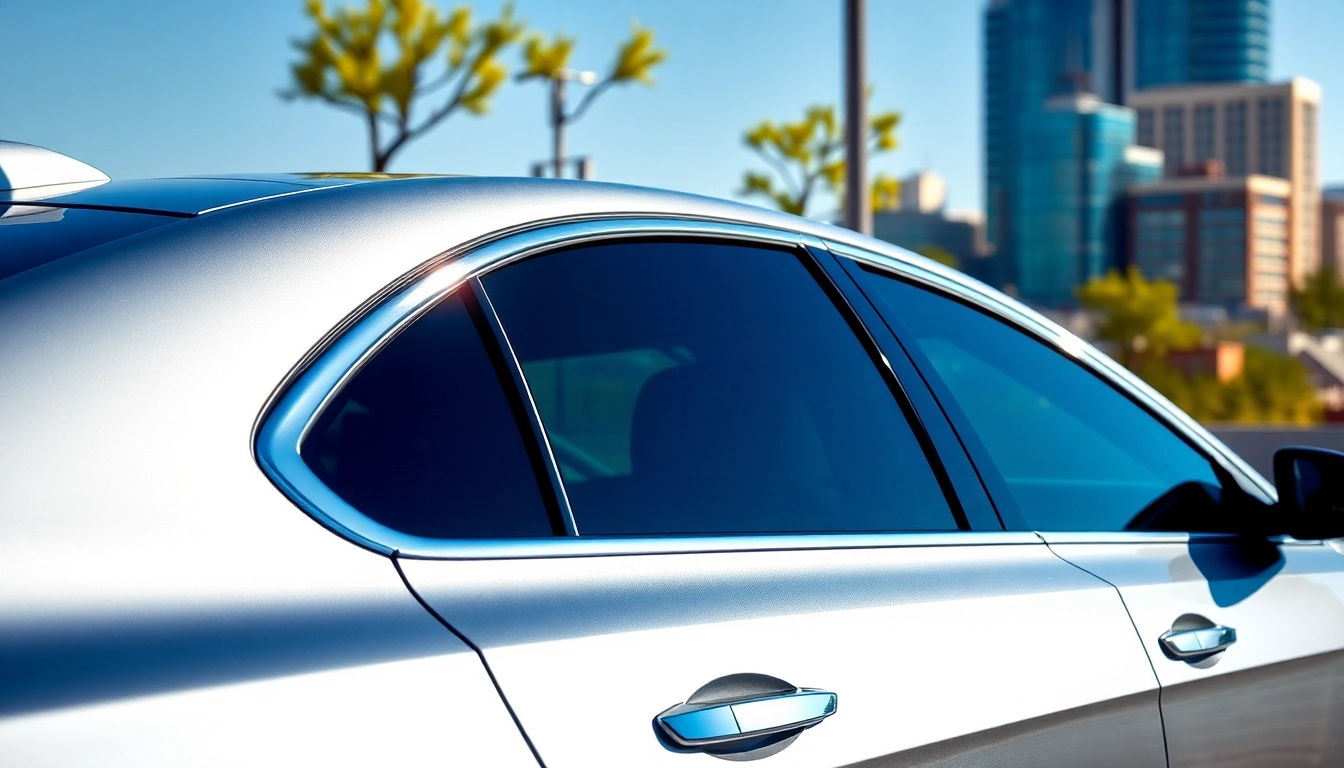
Window tinting refers to the process of applying a thin film to the glass surfaces of vehicles, homes, or commercial buildings. This film can be made from various materials and is designed to reduce glare, UV light, and heat. Window tinting not only enhances the aesthetic appeal of a vehicle but also serves practical functions, making it a popular choice among car owners and property managers alike.
Benefits of Window Tinting
The benefits of window tinting are numerous, making it a worthwhile investment. First and foremost, window tinting drastically improves comfort by reducing heat and glare from sunlight. This makes driving more enjoyable and protects the interior of the vehicle from fading. Furthermore, window tinting offers UV protection, blocking up to 99% of harmful rays that can cause skin damage and premature aging.
Another significant advantage is the enhanced privacy it provides. Tinted windows can deter prying eyes, making it harder for passersby to see inside your vehicle. This sense of security offers peace of mind. Additionally, window tint provides a measure of safety; in the event of an accident, the film helps hold shattered glass in place, protecting occupants from injury.
For those interested in practical applications, it’s worth noting that best window tint Chattanooga TN will typically comply with local regulations while offering superior performance. These various benefits have led to an increased demand for professional window tinting services.
Legal Regulations in Chattanooga
Window tinting is regulated by law in Chattanooga, TN, as it is across many regions. These regulations dictate the allowable levels of visible light transmission (VLT) for different automotive windows. According to Tennessee state law, the front windshield must have a VLT of at least 70%, while the front side windows must also comply with this standard. The rear windows can be tinted to any level. Ensuring compliance with these laws is critical, as non-compliance can lead to fines and the need to remove the tint.
Types of Window Tint Available in Chattanooga TN
Dyed Window Tint
Dyed window tint is one of the most common types used for vehicles. This film contains a layer of dye that absorbs solar heat, thus reducing the amount of light that enters the vehicle. It primarily offers aesthetic benefits, providing a sleek, understated appearance. While dyed tint is effective in heat reduction and glare control, it is less durable than other types, as the dye can fade over time when exposed to harsh sunlight.
Metalized Window Tint
Metalized window tint is manufactured using a combination of metallic particles and dyed film, offering several advantages over standard dyed tint. This type not only reduces glare and heat but also adds additional strength to the window, decreasing the likelihood of shattering. Metalized window tint also provides greater UV protection, making it an excellent choice for enhancing both safety and comfort. However, users should note that this film can interfere with electronic signals, such as GPS and cell phone reception.
Ceramic Window Tint
Ceramic window tint is a premium option that utilizes advanced technology to provide superior heat reduction without compromising visibility. This type of tint does not contain any metals or dyes, making it more durable and resistant to fading. Ceramic film offers exceptional UV protection while maintaining a clear view, thus making it suitable for any vehicle owner willing to invest in longevity and efficiency. The cost may be higher compared to other types, but its benefits in durability and performance often justify the expense.
Factors to Consider When Choosing Window Tint
Visible Light Transmission (VLT)
One of the most critical factors in selecting window tint is its visible light transmission (VLT) percentage. This metric indicates how much light is allowed to enter through the window. For instance, a tint with a VLT of 20% allows 20% of the light to pass through while blocking 80%. Understanding the implications of VLT helps ensure compliance with local laws while tailoring the tint to your specific needs. The right VLT can enhance privacy, comfort, and safety.
Heat Reduction Properties
Another significant consideration is the heat reduction properties of the film. Higher-quality tints are more effective at reflecting heat, which can keep vehicles cooler in warm temperatures. Look for tints that are specifically rated for their heat rejection capabilities. This functionality not only enhances comfort but can also reduce reliance on air conditioning, ultimately resulting in lower fuel consumption and improved fuel economy.
UV Protection
When choosing window tint, UV protection is an essential criterion. A high-quality tint can block up to 99% of harmful UV rays, which can cause skin cancer and aging. This protection not only benefits passengers but also preserves the vehicle’s interior from fading and cracking. Prioritize tints that emphasize UV protection as part of their marketing claims for optimal benefits.
Installation Process for Best Window Tint Chattanooga TN
Preparing Your Vehicle
Before installation, proper preparation of your vehicle is essential. This step involves thoroughly cleaning the windows to remove any dirt, dust, or debris. A clean surface ensures that the film adheres properly without any bubbles or wrinkles. It's also advisable to remove any existing window tint to guarantee the best results.
Installation Steps
The installation process for window tint typically involves several steps, including measuring the windows, cutting the film to size, and applying it carefully. Professional installers use specialized tools to ensure a precise fit. Once the tint is cut, it’s positioned on the window, and a solution is sprayed on to facilitate a smooth application. Finally, the film is carefully squeegeed out to remove air bubbles and excess moisture, allowing it to adhere correctly.
Post-Installation Care
After installation, taking care of your new window tint ensures its longevity. Initially, it's recommended to avoid rolling down the windows for at least 24 to 48 hours to allow the film to cure fully. Cleaning should be done with a microfiber cloth and mild soap — avoid ammonia-based cleaners as they can damage the tint. Following these care guidelines will maximize the lifespan and effectiveness of your window tint.
Frequently Asked Questions about Window Tinting
How Long Does Window Tint Last?
Quality window tint can last between 5 to 15 years, depending on the film type and installation quality. Regular maintenance helps maximize its lifespan.
Is Window Tinting Legal in Chattanooga TN?
Yes, window tinting is legal, but it must comply with specific VLT regulations. Ensure you check local laws to avoid penalties.
Can I Remove Window Tint Myself?
While it's possible to remove window tint yourself, it can be challenging. Professional removal is recommended to avoid damage to the windows.
What is the Cost of Window Tint?
The cost of window tinting varies greatly, typically ranging from $100 to $400, depending on the vehicle type, tint material, and service provider.
How Do I Maintain My Window Tint?
Maintenance involves cleaning with a soft cloth and non-ammonia-based cleaners, avoiding rolling down the windows for the first few days post-installation, and checking for any bubbles or peeling.