
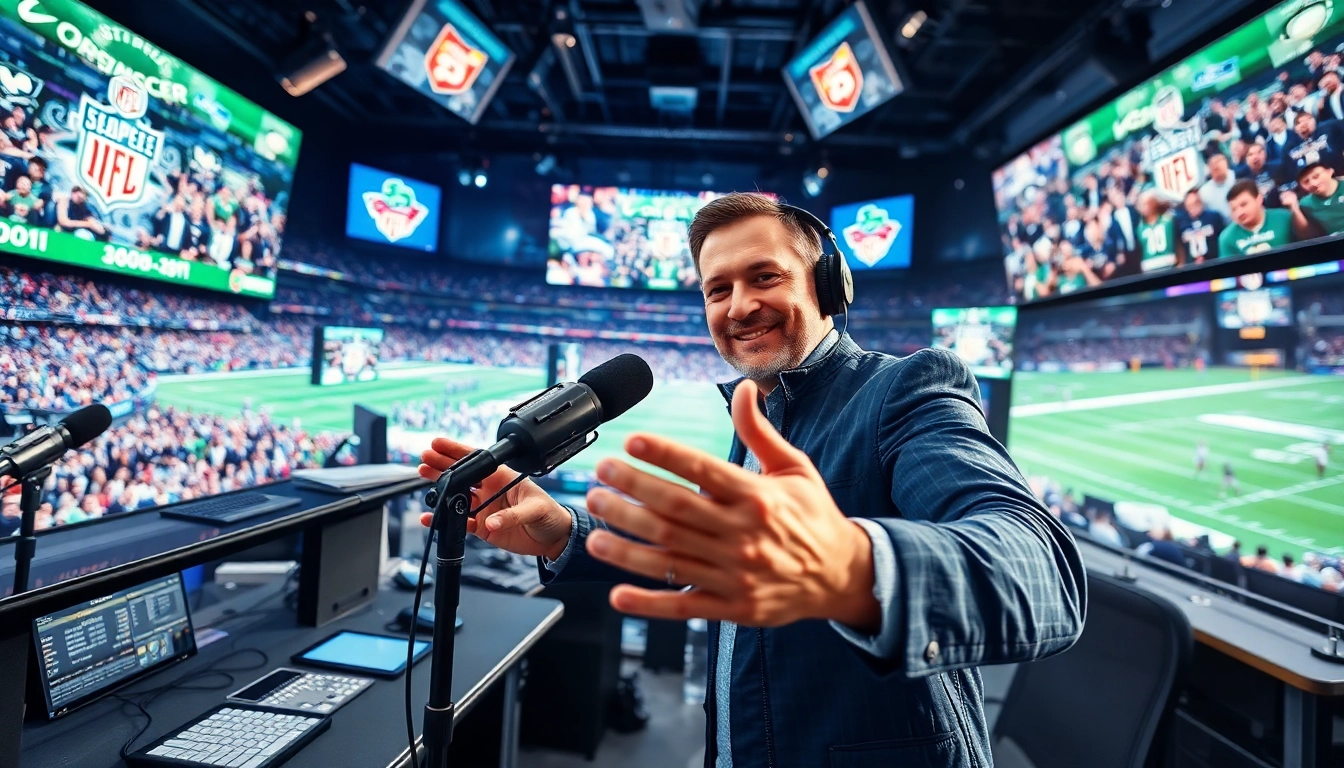
Understanding the Landscape of Sports Broadcasting
Sports broadcasting is a dynamic and rapidly evolving field that plays a pivotal role in how fans engage with their favorite sports. From traditional television broadcasts to modern streaming services, the landscape of Sports Broadcasting has undergone significant transformations. Various elements contribute to this evolution, including technological advances, changing viewer preferences, and the growing importance of digital platforms. In this comprehensive article, we will explore these elements in depth, identify target audiences, delve into best practices, address emerging challenges, and predict future trends in sports broadcasting.
The Evolution of Sports Broadcasting
The journey of sports broadcasting began in the early 20th century when radio became the first medium to transmit live sports events. Over the decades, the introduction of television brought a new dimension to sports viewing. Today, broadcasting encompasses various formats—including cable, satellite, and internet streaming—allowing fans to access live events anytime and anywhere. With the advent of high-definition (HD), 4K, and even virtual reality (VR) formats, the viewer experience has reached remarkable levels of immersion.
Key Technologies in Sports Broadcasting
Technological advancements have fundamentally reshaped the way sports are broadcasted. Some of the key technologies currently making waves include:
- High-Definition Broadcasting: HD technology enhances the clarity and quality of visual and audio experiences for viewers.
- 4K and 8K Resolution: These ultra-high-definition formats provide an even richer viewing experience, allowing fans to catch every detail.
- Cloud-Based Production: This technology allows for remote broadcasting and enhances the flexibility and efficiency of production workflows.
- Streaming Services: Platforms like Over-the-Top (OTT) services offer on-demand access to sports content, catering to the preferences of today's viewers.
- Augmented Reality (AR) and Virtual Reality (VR): These technologies enhance viewer engagement by providing immersive experiences during live events.
Major Trends Shaping Sports Broadcasting
As we look at the current trends in sports broadcasting, a few key themes stand out:
- Increased Interactivity: Viewers increasingly expect interactive features during broadcasts, such as real-time stats and social media integration.
- Personalized Viewing Options: Audiences prefer customizable viewing experiences that allow them to choose camera angles, commentaries, or highlights.
- Focus on Esports: The growing popularity of esports has led traditional sports broadcasters to explore opportunities within this burgeoning arena.
- Social Media Broadcasting: Platforms like Facebook, Twitter, and Instagram are becoming significant venues for live sports events and highlights.
- Mobile Broadcasting: With mobile technology, fans can follow their teams and events on the go, leading to an increase in viewership from smartphones.
Building a Sports Broadcasting Strategy
Identifying Target Audiences for Sports Broadcasting
To succeed in sports broadcasting, understanding the target audience is critical. Different demographics have unique preferences, and broadcasters must tailor their strategies accordingly. Segmenting audiences by age, location, favorite sports, and viewing habits allows for more effective content creation and marketing strategies. Engaging younger audiences, for example, may require a focus on digital platforms and interactive content, while older demographics might prefer traditional television broadcasts.
Creating Engaging Content for Sports Broadcasting
Content is king in sports broadcasting. High-quality, engaging content must resonate with viewers. Strategies to enhance content include:
- Storytelling: Narratives that connect emotionally with fans elevate the viewing experience and make broadcasts memorable.
- Behind-the-Scenes Access: Providing exclusive content such as player interviews and training footage fosters a deeper connection with fans.
- Expert Commentary: Engaging hosts and insightful analysis enrich the audience's understanding of the game.
- Fan Interaction: Encouraging viewer participation through social media polls and live chats can enhance audience investment in broadcasts.
Leveraging Social Media in Sports Broadcasting
Social media is an indispensable tool for sports broadcasters. Platforms allow for real-time engagement, promoting events, and sharing highlights. Strategies include:
- Live Updates: Posting real-time scores and event updates can keep fans engaged even if they miss the live broadcast.
- Engagement through Content Sharing: Creating shareable highlights and clips increases audience reach and visibility.
- Influencer Collaborations: Partnering with influencers can attract new viewers and create buzz around specific events.
Challenges in Sports Broadcasting
Overcoming Regulatory Hurdles in Sports Broadcasting
Sports broadcasting is governed by a complex set of regulations that vary by region. Broadcasters must navigate issues like licensing, rights acquisition, and content restrictions. By staying informed about legal changes and collaborating with legal experts, broadcasters can mitigate risks associated with compliance.
Mitigating Technical Difficulties in Sports Broadcasting
Technical difficulties can disrupt live broadcasts and negatively impact viewer experience. Common issues include connectivity problems, equipment failure, and production errors. Establishing backup systems, conducting pre-event tests, and having skilled technical staff can help in decreasing the likelihood of disruptions.
Addressing Audience Fragmentation in Sports Broadcasting
Audience fragmentation is a result of the variety of platforms available for sports consumption. Diverse viewing habits require broadcasters to diversify their content delivery. Focusing on multi-platform strategies, providing tailored content for different demographics, and understanding viewer preferences are essential for retaining viewers across platforms.
Best Practices for Effective Sports Broadcasting
Maximizing Viewer Engagement in Sports Broadcasting
Engaging viewers is crucial for any successful sports broadcast. Some best practices include:
- Interactive Features: Incorporating polls, quizzes, and live chats allows viewers to interact directly with the content and each other.
- Real-Time Stats: Providing up-to-date statistics during broadcasts keeps informed fans engaged and enhances the overall viewing experience.
- Compelling Presentation: High-energy hosts and visually appealing graphics can captivate viewers and keep them tuned in.
Ensuring Quality in Sports Broadcasting Production
The quality of production can significantly influence viewer retention. Key components include:
- Skilled Production Team: A well-trained crew can address technical issues promptly and ensure smooth transitions during broadcasts.
- Quality Equipment: Investing in high-quality cameras, sound systems, and broadcasting technology is essential for delivering superior content.
- Post-Production Editing: Skilled editors can enhance live footage, create highlight reels, and ensure polished presentations.
Utilizing Analytics for Improvement in Sports Broadcasting
Data analytics plays a crucial role in refining sports broadcasting strategies. Broadcasters should regularly assess viewer engagement metrics, demographic insights, and feedback to make informed decisions. By understanding what resonates with audiences, broadcasters can adapt their content and marketing strategies to better meet viewer demands.
The Future of Sports Broadcasting
Emerging Technologies in Sports Broadcasting
The future of sports broadcasting will be propelled by emerging technologies such as:
- Artificial Intelligence (AI): AI can personalize viewing experiences and automate certain production processes, enhancing overall efficiency.
- Blockchain Technology: This technology holds the potential for revolutionizing rights management and secure transactions in sports broadcasting.
- 5G Connectivity: Faster internet speeds will facilitate higher quality streaming and enable advanced multi-camera broadcasts.
Predictions for Sports Broadcasting Trends
As we look ahead, several trends are set to define the future of sports broadcasting, including an ever-increasing demand for on-demand content and personalized broadcast options that enable fan customization.
Preparing for Changes in Sports Broadcasting Regulations
With the constant evolution of the media landscape, broadcasters must remain vigilant regarding potential regulatory changes. Regularly reviewing compliance and engaging with policymakers can help broadcasters stay ahead of upcoming regulations and adapt strategies accordingly.
Frequently Asked Questions
What is the main purpose of sports broadcasting?
Sports broadcasting aims to deliver live sports events and associated content to audiences, enhancing viewer engagement and expanding audience reach.
How has technology changed sports broadcasting?
Technology has transformed sports broadcasting through HD formats, streaming services, and interactive features that improve viewer experiences and accessibility.
What are some challenges in sports broadcasting?
Common challenges include regulatory compliance, technical difficulties during broadcasts, and audience fragmentation due to multiple viewing platforms.
How can social media enhance sports broadcasting?
Social media enhances sports broadcasting by enabling real-time engagement, sharing highlights, and increasing visibility for broadcasters through user interaction.
What trends are shaping the future of sports broadcasting?
Key trends include the rise of personalized content, increased interactivity, and the adoption of emerging technologies like AI and 5G connectivity.